

Apartment amenities have become one of the primary factors renters weigh when choosing where to live, and one of the main levers landlords use to attract tenants and justify higher rents. From rooftop pools and fitness centers to in-unit laundry and smart thermostats, amenities shape both the daily experience of living in an apartment and the price you pay for it. But not all amenities are created equal, and understanding what amenities actually are, how they differ, what they cost, and which ones deliver genuine value is essential for renters trying to spend wisely and for landlords deciding where to invest. This guide breaks down apartment amenities from both sides of the transaction, so you can distinguish the features worth paying a premium for from the ones that simply inflate the rent.
What Apartment Amenities Actually Are
Apartment amenities are non-essential features or services provided by an apartment building that make the living experience easier, more comfortable, or more enjoyable. They go beyond the basics of four walls, running water, and electricity, offering extras that residents share or use individually. The defining characteristic is that amenities are not strictly required to live in the apartment, which distinguishes them from essential features.
This distinction between amenities and features is worth understanding clearly. Amenities are features, but not all features are amenities. Essential features like sinks, toilets, and lights are necessary to live in a unit and are not amenities in their ordinary form. However, a feature can become an amenity when it goes above and beyond its normal function. Standard lights are just a feature, but lights with smart technology could be considered an amenity, and an ordinary toilet is a feature while one with a built-in bidet crosses into amenity territory. The line is drawn at whether the feature provides something beyond the basic function required for habitability.
Which amenities an apartment offers is ultimately decided by the landlord or property manager, and the set varies enormously from building to building. Some apartment complexes offer all the bells and whistles, while others stick to the necessities. The mix also changes over time in response to renter demand, as property managers add or upgrade amenities to stay competitive. Because of this variation, discussing exactly which amenities a building and unit offer before signing a lease is an important step, since the amenities advertised for a complex may differ from what a specific unit includes.
In-Unit Versus Community Amenities
Apartment amenities fall into two broad categories, and understanding the difference helps renters evaluate what they are actually getting.
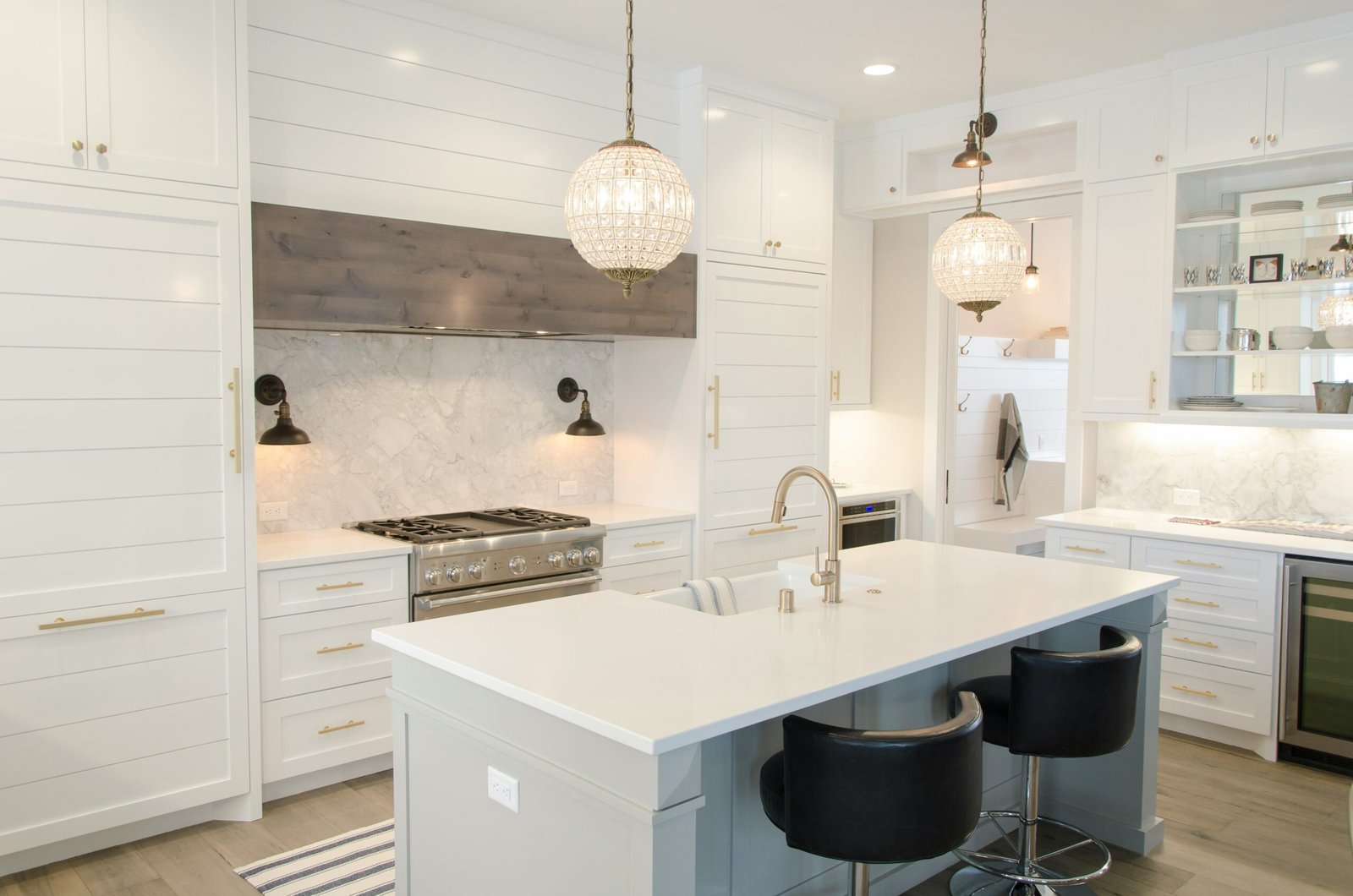
In-unit amenities are located inside your rental unit and can only be used by you and your guests. These are the features within your own apartment that enhance daily living, and they tend to be the amenities renters use most frequently. Among the most valued in-unit amenities are in-unit washers and dryers, which consistently rank as one of the most requested features because they let renters do laundry at home rather than using shared machines or laundromats. Updated kitchens with dishwashers, energy-efficient appliances, and ample counter space are similarly high on renters’ lists, as are modern climate control systems, ample closet space, hardwood flooring, and increasingly, smart home technology like keyless entry and smart thermostats. These in-unit features directly shape the quality of everyday life in the apartment.
Community amenities, by contrast, are shared spaces and services available to all residents of the building or complex. These include the features that many people picture when they think of apartment amenities, such as swimming pools, fitness centers, rooftop lounges, clubhouses, dog parks, coworking spaces, and secure package lockers. Community amenities also extend to services and conveniences like professional on-site management, online payment portals, controlled-access security, bike storage, and reliable parking. Some amenities are even located outside the building entirely, such as easy access to public transportation, which functions as an amenity because of the convenience it provides. Community amenities create shared value across the whole resident population and often contribute to a sense of community within the building.
The distinction matters for renters because in-unit amenities affect your private daily experience while community amenities affect the broader lifestyle the building offers. A renter who works from home might prioritize in-unit features like a dedicated space and smart technology alongside community amenities like a coworking lounge, while a fitness-focused renter might value an on-site gym more than in-unit upgrades. Understanding which category matters most to you helps focus an apartment search.
Are Amenities Free? How They Affect Your Rent
One of the most common questions renters have is whether they pay extra to use apartment amenities, and the answer clarifies how amenities factor into the true cost of renting. The reassuring news is that amenities are almost always included in your rent rather than charged separately. If you see a building with a state-of-the-art fitness center or a pet spa, you can generally use those features as much as you want without paying an additional fee each time, and you normally will not see a separate line-item charge for amenities advertised on an apartment’s website.
However, included in rent does not mean free. Amenities are built into the rent price or, in some cases, added as monthly fees, which means more amenities typically translate to higher rent. Apartment complexes with desirable amenities can and do charge higher rent because of the perks they offer, which is why you will often see higher prices for apartments with smaller units but nice features compared to larger but more basic units nearby. The cost of building and maintaining a pool, a gym, or a concierge service is real, and that cost is passed on to residents through the rent they pay collectively.
Some amenities do carry separate fees on top of base rent. Parking, electric vehicle charging, and pet access are common examples of amenities that may be charged as additional monthly fees rather than folded into the base rent. When evaluating an apartment, it is worth clarifying which amenities are included in the quoted rent and which carry extra charges, so the full monthly cost is clear before signing. The key insight for renters is that amenities are never truly free, since you pay for them either through a higher base rent or through added fees, which means the value calculation comes down to whether the amenities you will actually use justify the premium you pay for them.
Which Amenities Actually Deliver Value
For renters trying to spend wisely, the question is not which amenities are nicest but which ones deliver genuine value relative to their cost, and this depends heavily on how much you will actually use them.
The amenities that tend to offer the most reliable value are the ones used daily or that eliminate a recurring cost or inconvenience. In-unit laundry is a strong example, since it saves the time and expense of laundromats or shared machines and is used regularly, making it worth a premium for most renters. Reliable parking delivers clear value in areas where street parking is scarce or costly, effectively replacing an expense the renter would otherwise incur. Modern, energy-efficient appliances can lower utility costs while improving daily life, and features like smart thermostats can reduce energy bills. These practical amenities justify their cost through frequent use or by offsetting other expenses.
Other amenities offer value that depends entirely on the individual renter’s habits. A fitness center delivers real value to someone who would otherwise pay for a gym membership, effectively replacing that cost, but offers little to a renter who never uses it while still contributing to the rent. A swimming pool, a rooftop lounge, or a dog park provides significant value to residents who use them regularly but represents money spent on unused features for those who do not. The lesson for renters is to honestly assess which amenities match their actual lifestyle rather than being drawn in by impressive features they will rarely touch, since every amenity in a building contributes to the rent whether or not a given resident uses it.
Smart home technology has become increasingly significant in the amenity calculation. Features like high-speed WiFi, keyless entry, smart thermostats, and digital tenant platforms are becoming as important to many renters as physical amenities, reshaping what tenants look for. High-speed internet in particular has moved from a luxury to a near-essential for many renters, especially those working from home, and its value is consistently high across most renter profiles.
What Amenities Mean for Landlords and Investors
From the property owner’s side, amenities are a strategic investment with direct financial implications, and understanding this perspective completes the picture for anyone evaluating rental property.
Amenities play a central role in attracting renters, keeping them satisfied, and helping properties stand out in competitive markets. Some amenities have become effectively essential, expected as a baseline by renters, while others serve as differentiators that can justify higher rents and improve long-term tenant retention. This retention effect is significant, since amenities have long been a primary reason residents sign leases and, crucially, renew them, and reducing tenant turnover is one of the most valuable outcomes a landlord can achieve given the cost of vacancies and finding new tenants.
The financial logic for landlords is that amenities can justify higher rents and improve retention, but they must be maintained without straining the property’s budget, making good financial management essential. Not every amenity delivers a return that justifies its cost, so landlords benefit from investing in the amenities renters in their specific market value most rather than adding features indiscriminately. In-unit laundry, updated kitchens, reliable parking, and increasingly smart home technology tend to offer strong returns because they are among the most requested features and directly influence a renter’s decision to lease and stay. High-cost amenities like elaborate pools or extensive fitness centers can differentiate a property and support premium rents in the right market, but they carry ongoing maintenance costs that must be weighed against the rent premium they enable.
For real estate investors, the amenity profile of a property is a genuine factor in its value and performance. A property with the amenities its target renters want commands higher rents, achieves better occupancy, and retains tenants longer, all of which improve returns. Conversely, a property lacking the amenities renters expect in its market may struggle to compete, forcing lower rents or higher vacancy. Evaluating whether a property’s amenities match the demands of its renter base, and whether the cost of maintaining or adding amenities is justified by the rent they support, is part of assessing a rental investment intelligently. The broader point that unites the renter and landlord perspectives is that amenities are never free and never neutral, since they shape both the cost of renting and the value of a property, and the smartest decisions on both sides come from matching amenities to actual needs rather than chasing features for their own sake.
FAQ
What are apartment amenities?
Apartment amenities are non-essential features or services provided by an apartment building that make living easier, more comfortable, or more enjoyable, going beyond the basics of four walls, running water, and electricity. They are not required to live in the unit, which distinguishes them from essential features like sinks and toilets. Amenities fall into two categories: in-unit amenities located inside your apartment, such as laundry machines and updated appliances, and community amenities shared by all residents, such as pools, fitness centers, and coworking spaces.
What is the difference between in-unit and community amenities?
In-unit amenities are located inside your rental unit and can only be used by you and your guests, including features like in-unit washers and dryers, modern kitchen appliances, smart thermostats, and ample closet space. Community amenities are shared spaces and services available to all residents of the building, such as swimming pools, fitness centers, rooftop lounges, dog parks, package lockers, and on-site management. In-unit amenities shape your private daily experience, while community amenities affect the broader lifestyle the building offers.
Do you have to pay extra for apartment amenities?
Apartment amenities are almost always included in your rent rather than charged per use, so you can typically use features like the gym or pool without an additional fee each time. However, amenities are not truly free, since their cost is built into the rent price, meaning buildings with more amenities generally charge higher rent. Some amenities, such as parking, electric vehicle charging, and pet access, may carry separate monthly fees on top of base rent, so it is worth clarifying what is included before signing a lease.
Which apartment amenities are worth paying for?
The amenities that deliver the most reliable value are those used daily or that eliminate a recurring cost, such as in-unit laundry, which saves the expense and inconvenience of laundromats, and reliable parking where street parking is scarce. Energy-efficient appliances and smart thermostats can lower utility bills, and high-speed internet is near-essential for many renters. Amenities like fitness centers, pools, and dog parks offer value only to those who use them regularly, so renters should assess which amenities match their actual lifestyle rather than paying for impressive features they will rarely use.
How do amenities affect rent prices?
Amenities directly raise rent because the cost of building and maintaining them is passed on to residents. Apartment complexes with desirable amenities can charge higher rent, which is why smaller units with nice features often cost more than larger but more basic units nearby. More amenities typically mean higher rent or additional fees. This means the value calculation for renters comes down to whether the amenities they will actually use justify the premium, since every amenity in a building contributes to the rent whether or not a given resident uses it.
Why do amenities matter for landlords and property investors?
Amenities help attract renters, improve satisfaction, and make properties stand out in competitive markets, and they can justify higher rents while improving tenant retention. Reducing turnover is especially valuable given the cost of vacancies, and amenities have long been a primary reason residents renew leases. For investors, a property with the amenities its target renters want commands higher rents, achieves better occupancy, and retains tenants longer, all improving returns. The key is investing in amenities that renters in the specific market value most, since not every amenity justifies its maintenance cost.



Laisser un commentaire