

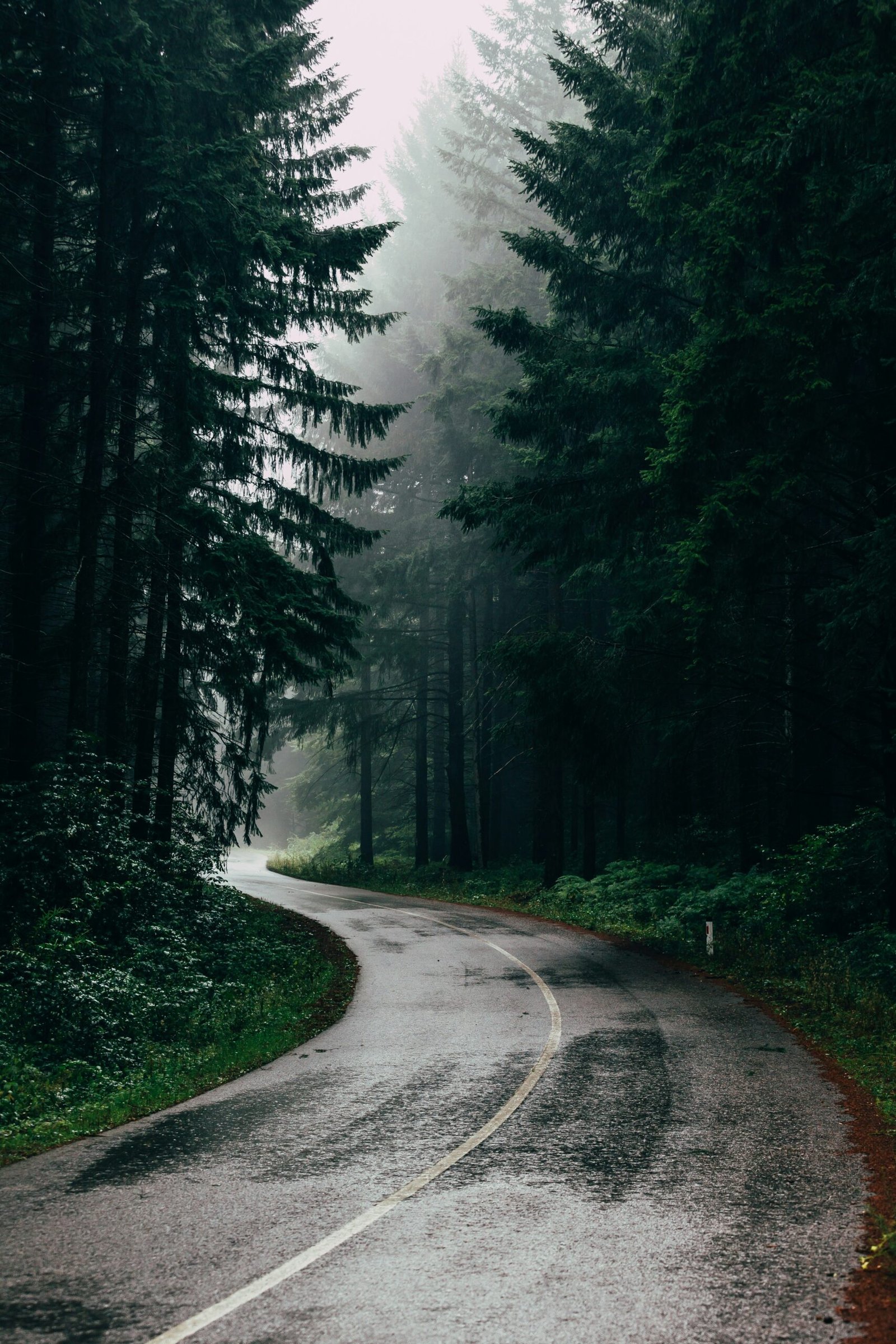
Ask most Americans to name the rainiest city in the country and you will hear Seattle almost every time. It is one of the most durable misconceptions in American geography, and it is wrong by a considerable margin. Seattle does not crack the top ten by rainfall volume. It does not even receive as much rain as New York City.
The cities that actually top the list sit mostly in places the national conversation overlooks: the Alaska panhandle, the Gulf Coast, the windward side of a Hawaiian island. Understanding where the rain genuinely falls, and why, matters for more than trivia. For anyone considering a move, a purchase, or a rental in one of these markets, precipitation shapes the cost of owning property, the design of the housing stock, and the rhythm of daily life in ways that a listing photo taken on a clear afternoon will never reveal.
This piece ranks the wettest places in the United States, explains the meteorology behind their soggy reputations, and works through what all that water means for the people who live there.
The Criteria for Ranking
Ranking the rainiest cities in America is less straightforward than it appears, because rainfall can be measured in two fundamentally different ways that produce two very different lists.
The first measure is total annual precipitation, expressed in inches. This captures volume: how much water actually falls over the course of a year. By this standard, the Gulf Coast and the Alaska panhandle dominate, because both regions receive enormous quantities of water even if it arrives in relatively concentrated bursts or seasonal patterns.
The second measure is the number of days with measurable precipitation. This captures frequency: how often it rains, regardless of how much falls each time. By this standard, the Pacific Northwest performs far more strongly, because its characteristic weather pattern is persistent light drizzle spread across many months rather than heavy downpours concentrated into fewer events.
According to the National Oceanic and Atmospheric Administration, which maintains the long-term climate records that underpin all serious rainfall analysis, these two metrics frequently diverge sharply for the same location. Seattle is the classic example: modest in volume, exceptional in frequency. Mobile, Alabama is the inverse: enormous in volume, unremarkable in the number of rainy days.
The rankings below primarily use total annual precipitation, since that is the standard measure most people mean when they ask which city is rainiest, but frequency is noted where it materially changes the picture. All figures reflect long-term climate normals rather than any single year, since annual rainfall varies substantially from one year to the next.
Top 10 Rainiest Cities in America
1. Ketchikan, Alaska
Ketchikan receives approximately 140 to 160 inches of precipitation annually, making it the rainiest incorporated city in the United States by a wide margin. Situated on Revillagigedo Island in the Alaska panhandle, the city sits at the base of steep coastal mountains that force moisture-laden Pacific air upward, wringing it out in a near-continuous cycle.
The city records rain on roughly 230 days per year. Residents treat rain gear as standard equipment rather than seasonal accessory, and the local culture has absorbed the climate with a certain wry pride. Ketchikan’s rainfall is not merely heavy but relentless, and the temperate rainforest that surrounds it exists precisely because of that consistency.
2. Hilo, Hawaii
Hilo, on the windward side of Hawaii’s Big Island, receives approximately 125 to 130 inches of rain per year, making it the rainiest city in the United States outside Alaska and one of the wettest populated places on earth.
The mechanism is orographic lift. Trade winds carry warm, saturated Pacific air westward until it meets the volcanic slopes of Mauna Kea and Mauna Loa, forcing it to rise, cool, and release its moisture. The result is a lush tropical landscape and a city where afternoon rain is so routine that outdoor plans are made around it rather than cancelled by it. Notably, the leeward side of the same island receives a fraction of Hilo’s rainfall, one of the sharpest precipitation gradients anywhere in the country.
3. Mobile, Alabama
Mobile is the rainiest major city in the continental United States, recording approximately 65 to 67 inches annually. The Gulf of Mexico sits immediately to the south, functioning as an enormous reservoir of warm water that feeds moisture continuously into the atmosphere above.
Mobile’s rain arrives differently from Ketchikan’s or Hilo’s. It comes in intense convective bursts, often as afternoon thunderstorms that can drop several inches in a matter of hours, and in the extreme precipitation events associated with tropical systems during hurricane season. The city receives its water in fewer, heavier episodes rather than continuous drizzle, which places different demands on drainage infrastructure and building design.
4. Seattle, Washington
Seattle receives roughly 38 inches of rain annually, less than New York City, less than Atlanta, and dramatically less than any of the three cities above it on this list. Its inclusion here reflects reputation and frequency rather than volume.
What Seattle has is persistence. The city records measurable precipitation on approximately 150 to 155 days per year, concentrated in an extended wet season running from October through May. The rain is typically light, often little more than drizzle, and it arrives under the grey overcast that defines the city’s winter months. Residents rarely carry umbrellas, a detail that surprises visitors, because the precipitation is usually too light to warrant one.
The practical consequence for property is chronic moisture exposure rather than flood risk. The Pacific Northwest building stock has evolved accordingly, with steep roof pitches and generous overhangs as standard features.
5. New Orleans, Louisiana
New Orleans records approximately 62 inches of rain per year, placing it just behind Mobile among major continental cities. Like Mobile, it draws its precipitation from Gulf moisture, and like Mobile, it receives that precipitation in heavy convective events and tropical systems.
New Orleans faces a compounding factor that Mobile does not share to the same degree: much of the city sits at or below sea level, protected by an extensive system of levees, pumps, and canals. Heavy rainfall in New Orleans is not simply a matter of water falling but of water needing to be actively pumped out. Elevation differences of a few feet across a neighborhood produce dramatically different flood exposure, making topography one of the most important variables in any property decision within the city.
6. Portland, Oregon
Portland receives approximately 43 inches of rain annually, modestly more than Seattle but following a similar pattern of frequent, light precipitation concentrated in the cooler months. The city records rain on roughly 155 days per year.
The Willamette Valley setting, bounded by the Coast Range to the west and the Cascades to the east, channels Pacific weather systems into a reliable seasonal rhythm. Summers in Portland are notably dry, often strikingly so, which surprises people whose mental image of the city is uniformly grey. The rain concentrates so heavily into the October-through-May window that the summer months bear little resemblance to the rest of the year.
7. Beaumont, Texas
Beaumont sits in southeastern Texas near the Louisiana border and receives approximately 60 inches of rain annually, making it the wettest significant city in Texas and one of the wettest in the country.
Its position places it directly in the path of Gulf moisture and in the corridor that tropical systems frequently traverse after making landfall. Beaumont has experienced some of the most extreme single-event rainfall totals recorded in the continental United States, including during Hurricane Harvey in 2017. The combination of high annual totals and extreme event potential makes flood infrastructure and property elevation central concerns for anyone living or investing there.
8. Pittsburgh, Pennsylvania
Pittsburgh receives approximately 38 to 40 inches of rain annually, but it earns its place on rainiest-city lists through frequency and cloud cover rather than volume. The city records measurable precipitation on roughly 150 days per year and ranks among the cloudiest cities in the country, with a high proportion of overcast days particularly during the winter months.
Pittsburgh’s position in the Appalachian foothills, at the confluence of three rivers, contributes to persistent humidity and fog. The perception of a wet climate here owes as much to the absence of sun as to the presence of rain.
9. Grand Rapids, Michigan
Grand Rapids receives approximately 37 to 39 inches of precipitation annually, but the figure understates the story because a substantial portion arrives as snow. The city sits in the lake-effect belt downwind of Lake Michigan, and winter storms crossing the lake pick up moisture that they deposit as heavy snowfall on the Michigan side.
Grand Rapids records measurable precipitation on roughly 155 days per year and is among the cloudiest cities in the United States during the winter months. For residents, the practical experience is one of extended grey seasons rather than dramatic rainfall events.
10. Rochester, New York
Rochester receives approximately 34 to 36 inches of rain annually plus substantial lake-effect snow from Lake Ontario. Like Grand Rapids, its position downwind of a Great Lake produces frequent precipitation and persistent cloud cover through the colder months.
The city records measurable precipitation on approximately 165 days per year, one of the highest frequencies in the continental United States. Combined with limited winter sunshine, this gives Rochester a reputation for grey weather that exceeds what its rainfall totals alone would suggest.
Why These Cities Are So Wet
Three distinct meteorological mechanisms account for nearly all of the extreme precipitation on this list, and understanding which one applies to a given city explains a great deal about what living there is actually like.
Orographic lift is the dominant force in Ketchikan, Hilo, and to a lesser extent the Pacific Northwest cities. When moisture-laden air encounters rising terrain, it is forced upward, cools as it climbs, and releases its water. This mechanism produces the highest total rainfall figures in the country because it operates continuously wherever the geography and prevailing winds align. It also produces sharp gradients: the windward side of a mountain range can receive many times the rainfall of the leeward side just a few miles away.
Gulf moisture drives the precipitation in Mobile, New Orleans, and Beaumont. The Gulf of Mexico supplies warm water that evaporates continuously, saturating the air above it. When that air moves inland and encounters temperature differentials, frontal boundaries, or the instability that produces afternoon thunderstorms, it releases enormous quantities of water in short periods. Tropical systems amplify this pattern dramatically, delivering extreme single-event totals that overwhelm infrastructure designed for routine conditions.
Lake effect governs Grand Rapids and Rochester. Cold air crossing the relatively warmer waters of the Great Lakes absorbs moisture and heat, becomes unstable, and deposits that moisture as heavy snow when it reaches land. This mechanism operates primarily in the colder months and produces high precipitation frequency and substantial snowfall totals rather than heavy rain.
Seattle, Portland, and Pittsburgh occupy a somewhat different category, where the defining feature is the persistence of low-intensity precipitation and cloud cover rather than dramatic totals. According to climate data compiled by the National Weather Service, the number of days with measurable precipitation in these cities substantially exceeds what their annual totals would predict, which is precisely why their reputations for rain exceed their actual rainfall.
The Impact of Rain on Local Culture and Lifestyle
Persistent rain shapes cities in ways that go well beyond weather forecasts, and the cultural adaptations are often the most interesting thing about these places.
In the Pacific Northwest, the rain has produced a distinctive relationship with the outdoors. Residents hike, run, and cycle through conditions that would keep people indoors elsewhere, and the regional outdoor apparel industry, which produced several globally significant brands, exists in large part because the local market demanded gear that worked in sustained wet conditions. The coffee culture that Seattle exported to the world is not unrelated to a climate that makes a warm drink indoors an appealing proposition for eight months of the year. The rain has also been credited, only half-jokingly, with the region’s contributions to music and literature, on the theory that grey winters push people toward indoor creative pursuits.
Along the Gulf Coast, the relationship with rain is more adversarial and more consequential. Mobile and New Orleans have built their infrastructure, their architecture, and their institutional memory around water management. Raised houses, deep porches, and steep roofs are functional responses to a climate that delivers both routine heavy rain and periodic catastrophic events. Hurricane preparedness is a civic ritual rather than an occasional inconvenience, and the collective experience of major storms has shaped community identity in ways that outsiders frequently underestimate.
In Ketchikan and the Alaska panhandle, the rain is simply the environment rather than an interruption to it. The temperate rainforest, the fishing economy, and the pace of life all reflect a place where waiting for clear weather is not a viable strategy. Local humor about the rain is abundant and affectionate.
Hilo’s tropical rainfall supports one of the most botanically rich environments in the United States, and the city’s identity is bound up with the lushness that the rain produces. The rain is understood locally as the reason the place looks the way it does, which reframes it as an asset rather than a burden.
For property buyers and renters, these cultural adaptations carry practical information. A housing stock that has evolved over generations to handle a specific climate tends to handle it well, and local building practices encode knowledge that generic construction standards do not capture. A house in Seattle built with the deep overhangs and steep pitch typical of the region is better protected against its climate than an identical floor plan transplanted from a drier market. In Gulf Coast cities, elevated construction and hurricane-rated features reflect hard-won lessons. Paying attention to what local builders do differently is one of the more reliable ways to assess whether a specific property is genuinely suited to the weather it will face.
FAQ
What is the rainiest city in America?
Ketchikan, Alaska is the rainiest city in the United States, receiving approximately 140 to 160 inches of precipitation annually with rain falling on roughly 230 days per year. Hilo, Hawaii follows at approximately 125 to 130 inches. Within the continental United States, Mobile, Alabama holds the top position among major cities at roughly 65 to 67 inches per year, followed closely by New Orleans and Beaumont, Texas.
Is Seattle the rainiest city in America?
No. Seattle receives approximately 38 inches of rain annually, which is less than New York City, Atlanta, and every Gulf Coast city on this list. Seattle’s reputation comes from frequency rather than volume: the city records measurable precipitation on roughly 150 to 155 days per year, arriving as persistent light drizzle across an extended wet season from October through May. The rain is frequent but rarely heavy, which is why residents famously do not bother with umbrellas.
What are the wettest places in the United States?
By total annual precipitation, the wettest places are concentrated in the Alaska panhandle, Hawaii’s windward coasts, and the Gulf Coast. Ketchikan and Hilo lead nationally. Within the continental United States, Mobile, New Orleans, Beaumont, Pensacola, and Miami form the wettest cluster. Some non-city locations receive even more: Quillayute on Washington’s Olympic Peninsula exceeds 100 inches annually, and parts of Mount Waialeale on Kauai record among the highest rainfall totals recorded anywhere on earth.
Which cities have the highest annual rainfall in the continental US?
Mobile, Alabama leads continental cities at approximately 65 to 67 inches annually, followed by New Orleans at roughly 62 inches, Beaumont, Texas at approximately 60 inches, Pensacola, Florida at similar levels, and Miami at around 61 inches. The Gulf Coast dominates this ranking because of the continuous moisture supply from the Gulf of Mexico and the frequency of tropical systems affecting the region.
Why is the Gulf Coast so rainy?
The Gulf of Mexico functions as a vast reservoir of warm water that evaporates continuously, saturating the air above it. When that moisture-laden air moves inland and encounters temperature differentials, frontal boundaries, or the instability that generates afternoon thunderstorms, it releases large quantities of water in short periods. Tropical systems and hurricanes amplify this pattern dramatically, delivering extreme single-event rainfall totals that routinely exceed what local drainage infrastructure was designed to handle.
Does living in a rainy city cost more?
In high-rainfall markets, yes. Roofs deteriorate faster in sustained wet and humid conditions, often requiring replacement years earlier than in drier climates. Moisture management systems including dehumidification, drainage, and crawl space work add ongoing costs. Insurance is the largest differential: standard homeowners policies exclude flood damage, and separate flood coverage in high-risk Gulf Coast zones can run from several hundred to several thousand dollars annually. In Pacific Northwest cities, where the pattern is chronic moisture rather than flooding, the cost premium is smaller and concentrated in maintenance rather than insurance.

Laisser un commentaire