


Most buyers and investors make decisions based on headlines. Smart ones make decisions based on cycles. The housing market does not move at random it follows a structured pattern of four recurring phases, each carrying distinct signals for when to buy, hold, or sell. Understanding these housing stages is one of the most reliable edges available in real estate, whether you are a first-time renter eyeing your first property or a seasoned investor managing a multi-market portfolio.
The Four Phases of the Housing Market
Phase 1: Recovery
During the recovery phase, the housing market begins at a low point occupancy rates drop, rent stagnates, and new construction slows before gradually picking up strength.
This stage is deceptively quiet. Most people still feel the hangover of the downturn, which is precisely what makes it the most rewarding entry point. Property prices have typically bottomed out, and for investors, these early steps represent a prime acquisition window before competition returns.
What to do: Prioritize acquisition. Distressed properties, below-market pricing, and low competition define this phase.
Phase 2: Expansion
During the expansion phase, housing demand surges, local job markets strengthen, and rent growth accelerates across most property types. New construction activity returns as developers respond to rising occupancy and tightening supply of available units.
This is when the market feels healthy, because it is. Confidence is back, transactions accelerate, and yields strengthen.
What to do: Sell assets acquired during recovery. Lock in gains, refinance, and watch construction pipelines carefully oversupply is the next risk.
Phase 3: Hyper-Supply
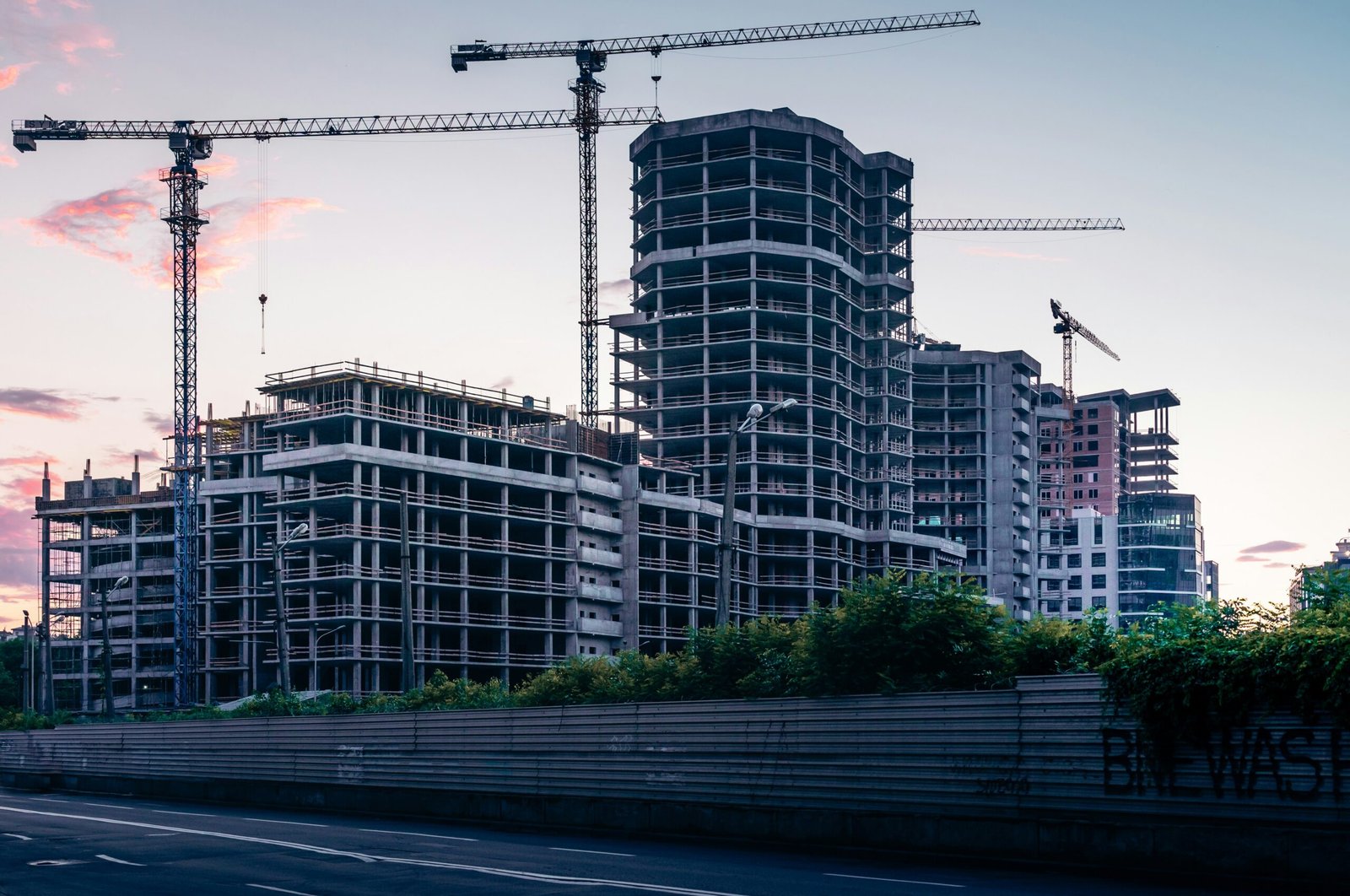
Hyper-supply occurs when construction output and available housing units outpace demand. New development from the expansion phases floods local markets, and vacancy rates begin climbing even as property prices may remain temporarily elevated.
What to do: Hold quality assets. Avoid speculative purchases. Hyper-supply is not a crisis it is a predictable stage of the cycle, always followed by recession and then recovery again.
Phase 4: Recession
In the recession phase, supply overwhelms demand. Rent growth turns negative, property values correct, and construction activity stalls. Sellers struggle, and market sentiment hits its lowest point across all housing segments.
What to do: Preserve capital, study distressed opportunities, and prepare for the recovery phase ahead. The steps you take here determine your position in the next cycle.
Why These Housing Stages Matter Right Now
Current market data suggests the U.S. housing market has moved through expansion and entered a transitional period, with inventory growth slowing and conditions shifting from the supply-constrained environment that defined the post-pandemic phases.
Reading the housing stages correctly means you are never purely reacting to the market you are anticipating it. The cycle does not eliminate risk, but it gives every property decision a strategic context that instinct alone cannot provide.
FAQ Housing Stages
Q: How long does a full housing market cycle last?
A complete housing cycle averages around 18 years, though individual phases vary considerably based on local economic conditions, construction activity, and monetary policy.
Q: Are all housing markets in the same stage at the same time?
No. Each local market moves through its own phases independently. One city may be in expansion while another is in recession always analyze local rent trends, construction pipelines, and property demand separately.
Q: Which stage is the best time to buy?
The recovery stage offers the most attractive entry points, with property values near their floor. The early expansion phase is also strong, as rent growth and units absorption are accelerating but prices have not yet peaked.
Q: What signals indicate a market is entering hyper-supply?
Rising vacancy rates, accelerating construction starts, and slowing rent growth are the clearest signals. Watch the gap between new housing units entering the market and actual absorption rates in your local area.
Q: Can the housing stages be disrupted by external events?
Yes. Global crises, interest rate shifts, population changes, and government policy can all compress or extend individual phases. The 2020 pandemic, for instance, dramatically distorted the normal sequence of housing stages across nearly every market worldwide.



Laisser un commentaire